Category: digital marketing

Neha Sah

  • Top 10 Digital Marketing Trends You Can’t Ignore in 2025

    Top 10 Digital Marketing Trends You Can’t Ignore in 2025

    Top 10 Digital Marketing Trends You Can’t Ignore in 2025

    In a world where digital changes faster than you can say “algorithm update,” staying updated on trends isn’t just smart—it’s survival. The way we communicate, shop, and even think is constantly being reshaped by technology. As we step into 2025, marketers must be prepared for a landscape where AI, personalization, and immersive experiences are no longer optional—they’re essential.

    Whether you’re a small business owner, startup founder, content creator, or marketer, this blog will guide you through the top 10 digital marketing trends shaping the future.

    What is Digital Marketing in 2025?

    Digital marketing today goes far beyond social media posts or email campaigns. It includes a blend of AI-driven insights, automated tools, voice-enabled technologies, and sustainable practices. Imagine it like an intelligent assistant that works 24/7—predicting customer behavior, personalizing messages, and optimizing campaigns in real time. That’s the 2025 version of digital marketing.

    Why These Trends Matter?

    With more than 60% of global internet users expecting hyper-personalized experiences and over 80% of consumers researching online before buying, marketers need to evolve. Trends are no longer just “nice to have”; they determine whether your brand is visible, relevant, and trusted.

    Stats to Consider:

    • 91% of companies using AI-powered tools report faster and more effective campaigns.
    • Short-form video content increases engagement by up to 2.5x.
    • Voice search now accounts for 27% of global online queries.

    Top 10 Digital Marketing Trends for 2025

    1. AI-Powered Content Creation

    AI-powered content creation concept showing a robot writing digital marketing content on a laptop.

    AI tools like ChatGPT, Jasper, and Copy.ai are revolutionizing how content is produced. Need a blog post, ad copy, or even a catchy slogan? AI can create it in seconds, letting marketers focus on strategy.

    Example: A fitness brand used AI to generate weekly newsletters and saw a 40% increase in open rates.

    Think AI is just hype? Think again.

    From ChatGPT helping you write high-converting emails to Mid Journey designing social graphics, AI tools are now essential. In 2025, marketers are using AI to:

    • Automate repetitive tasks (emails, reporting, social posting).
    • Generate content outlines and copy faster.
    • Personalize user experiences using real-time data.

    Real-World Example: Brands like Sephora use AI chatbots to offer product recommendations based on skin tone, preferences, and buying behavior.

    Actionable Tip: Try free tools like ChatGPT or Jasper for writing and Canva AI for design. Start with simple tasks, then expand.

    2. Voice Search Optimization

    Voice search optimization using smart assistant for digital marketing in 2025.

    People are increasingly using voice assistants like Siri, Alexa, and Google Assistant. This means content must be conversational and answer direct questions.

    Tip: Use FAQs, schema markup, and local keywords.

    “Hey Siri, best pizza near me?”

    Voice searches are becoming more natural and question-based. That’s why your content should be optimized for how people talk, not just how they type.

    Optimize For:

    • Long-tail keywords
    • FAQ-style content
    • Local SEO (“near me” and mobile-friendly)

    Actionable Tip: Add a Q&A section to your blog posts or service pages.

    3. Short-Form Video Marketing
    Short-form video marketing showing mobile reels and social media engagement.

    TikTok, Instagram Reels, and YouTube Shorts dominate attention spans. Brands that master this format see higher engagement and shareability.

    Case Study: A skincare startup gained 1M views with a 15-second tutorial.

    If content is king, video is the emperor.

    Short-form platforms like TikTok, YouTube Shorts, and Instagram Reels are where attention lives in 2025.

    Video Ideas That Work:

    • Product explainers
    • Customer testimonials
    • Tips & tricks (educational)
    • Challenges or trends

    Fun Fact: According to Wyzowl, 91% of businesses now use video marketing — and most say it’s their highest ROI content format.

    4. Hyper-Personalized Marketing
    Hyper-personalized marketing campaign driven by AI and user data.

    Using AI and user data, marketers can tailor messages down to the individual. This goes beyond first names in emails—think custom product suggestions, dynamic landing pages, and real-time offers.

    Generic emails are dead. Today, users expect brands to remember their behavior, interests, and even timing preferences.
    How to Hyper-Personalize:

    • Segment your audience by behavior, not just demographics.
    • Use dynamic content in emails and landing pages.
    • Recommend products based on browsing or purchase history.

    Tools to Try: HubSpot, MoEngage, or Klaviyo.

    5. AI-Driven Customer Journey Mapping

    AI-driven customer journey mapping for better digital marketing experience

    AI tools now visualize and optimize every touchpoint—from discovery to purchase. This allows marketers to improve UX and reduce churn.

    Tool Suggestion: HubSpot, Salesforce, Zoho CRM with AI modules.

    6. Predictive Analytics in Marketing

    Predictive analytics in marketing dashboard forecasting user behavior.

    Forecasting customer behavior helps create proactive campaigns. Predictive models can identify high-value leads or anticipate product demand.

    Benefit: Saves time and increases ROI by targeting the right audience.

    7. Augmented Reality (AR) Marketing
    Augmented reality marketing with virtual product try-on experience.

    AR lets customers try products virtually—from furniture to makeup.

    Example: The IKEA Place app lets users see how furniture fits their space.

    8. Sustainable Digital Marketing

    Sustainable digital marketing practices promoting eco-conscious strategies.

    Eco-conscious branding is on the rise. Consumers support brands that reduce digital waste and promote sustainability.

    Tips: Use green hosting, limit unnecessary data collection, and go paperless.

    Today’s consumers care.

    Especially Gen Z, who want brands that align with their values. In 2025, marketing without purpose is marketing that gets ignored.

    How to Build Ethical Marketing:

    • Share your sustainability practices.
    • Promote inclusivity in content and visuals.
    • Be transparent about pricing, sourcing, and business values.

    Stats Don’t Lie: 81% of consumers say they prefer to buy from sustainable brands (Source: IBM).

    9. Social Commerce Trends 2025

    Social commerce trends in 2025 showing shopping via Instagram and TikTok.

    People don’t just scroll through social media anymore—they shop directly from it. Live shopping events and in-app purchases are booming.

    Platforms: TikTok Shop, Instagram Checkout, Pinterest Shopping.

    People no longer leave apps to shop. Instagram Shops, TikTok Shop, and WhatsApp Catalogs have made social platforms the new storefronts.

    Optimize for Social Commerce:

    • Tag products in your posts.
    • Enable checkout on Instagram or Facebook.
    • Showcase reviews and testimonials in Stories.

    10. AI-Enhanced Marketing Automation

    AI-enhanced marketing automation tools for campaigns and customer support.

    Set up drip campaigns, retargeting ads, or chatbots—then let AI do the work. It’s like hiring a tireless marketing assistant.

    Best for: Small businesses looking to scale quickly with limited resources.

    How to Apply These Trends to Your Business?

    For Small Businesses:

    • Start with AI-powered email personalization.
    • Use free tools like Canva for video marketing.
    • Focus on voice commerce optimization to improve reach.

    For Startups:

    • Combine predictive analytics with social media strategies.
    • Create zero-click content for better Google visibility.

    For Content Creators:

    • Embrace interactive content experiences like polls and quizzes.
    • Optimize for visual search using platforms like Pinterest.

    Final Thoughts: Stay Ahead or Fall Behind

    2025 will be the year of smarter, faster, and more ethical marketing. The tools are powerful, but how you use them determines your success. Start small, experiment often, and never stop learning.

    Let’s Talk

    Which trend do you find most exciting? Have you already tried any of them?

    Leave a comment, share this post, or subscribe to our newsletter for more hands-on tips and strategies. Let’s grow together in this AI-powered digital age.
  • What is SEO, and how does it work? A Simple Guide

    What is SEO, and how does it work? A Simple Guide

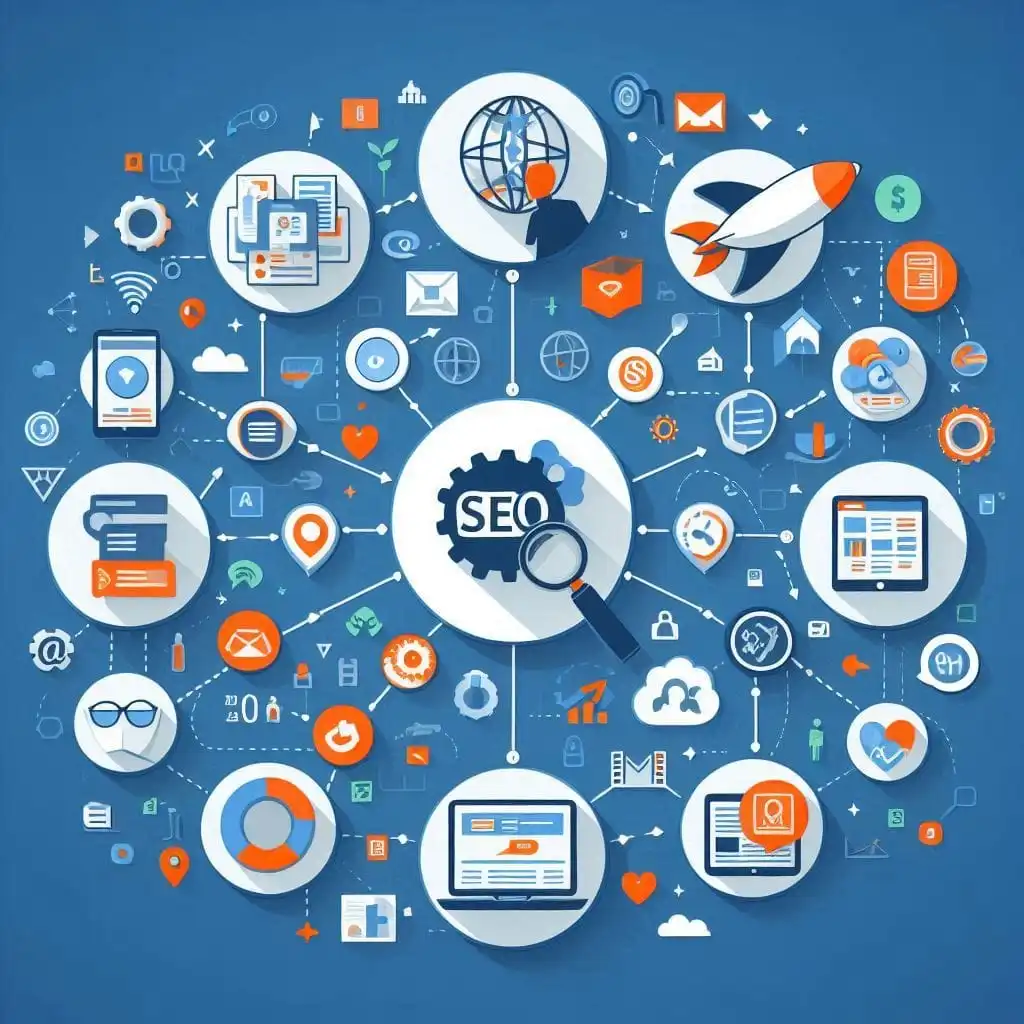
    What is SEO, and How Does It Work?

    what is seo?

    Introduction — The Power of Visibility in the Digital World

    Have you ever searched for something on Google and wondered why certain websites appear at the top? That’s no accident—it’s the magic of SEO. Whether you’re a small business owner, blogger, or just getting started online, understanding SEO can help your website shine on the internet. In this blog, we’ll explain SEO in simple words, how it works step by step, and how you can use it effectively.

    What is SEO? (Search Engine Optimization Explained Simply)

    SEO stands for Search Engine Optimization. It’s the process of improving your website to increase its visibility when people search for products, services, or information related to your business on search engines like Google.SEO meaning in simple terms: Imagine you own a bookstore. SEO is like placing signs on busy roads so more people visit your shop. The more optimized your website is, the easier it is for search engines to understand and recommend it to users.

    Why is SEO Important for Websites and Businesses?

    • 75% of people never scroll past the first page of search results.
    • It builds trust and credibility with users.
    • SEO helps drive organic (free) traffic to your website.

    Whether you’re launching a blog or running a local business, SEO helps you reach the right audience without spending money on ads.

    How Does SEO Work Step by Step?

    Step 1: Understanding How Search Engines Work

    Search engines like Google use bots to crawl web pages, index them, and decide how to rank them.

    Step 2: Keyword Research

    Find out what your audience is searching for using tools like:

    • Google Keyword Planner
    • Ubersuggest
    • SEMrush

    Step 3: On-Page SEO

    Optimize individual pages with:

    • Clear title and headers
    • Meta descriptions
    • Keywords used naturally

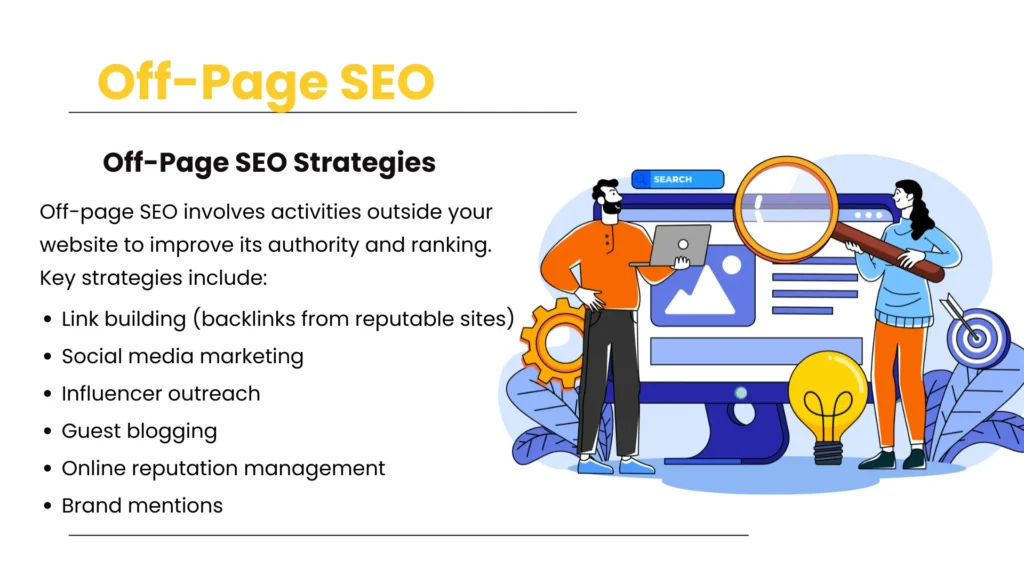
    Step 4: Off-Page SEO

    Includes things like:

    • Getting backlinks (links from other sites)
    • Building a social media presence

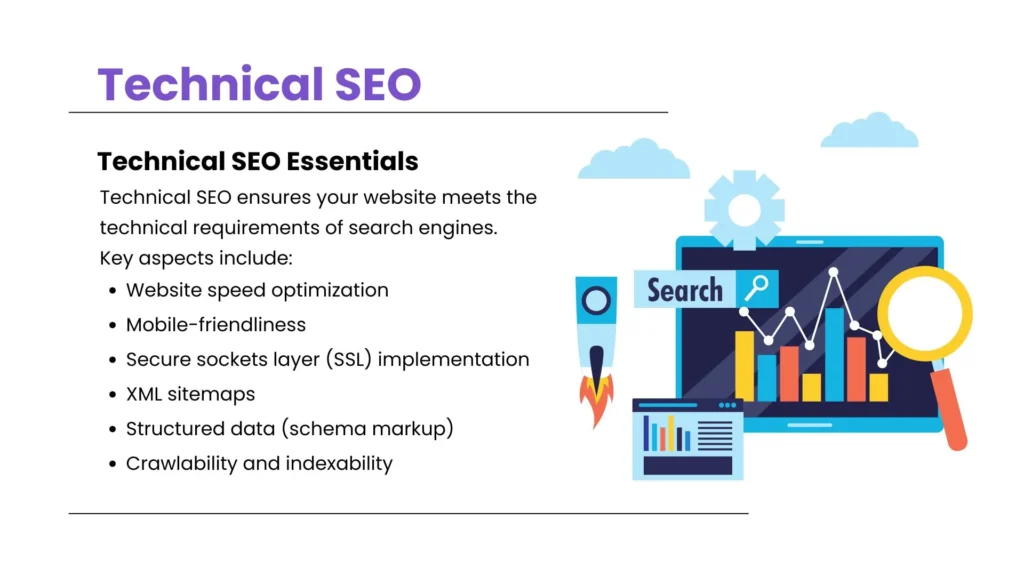
    Step 5: Technical SEO

    This ensures your site loads fast, is mobile-friendly, and it is secure (HTTPS).

    Types of SEO Explained

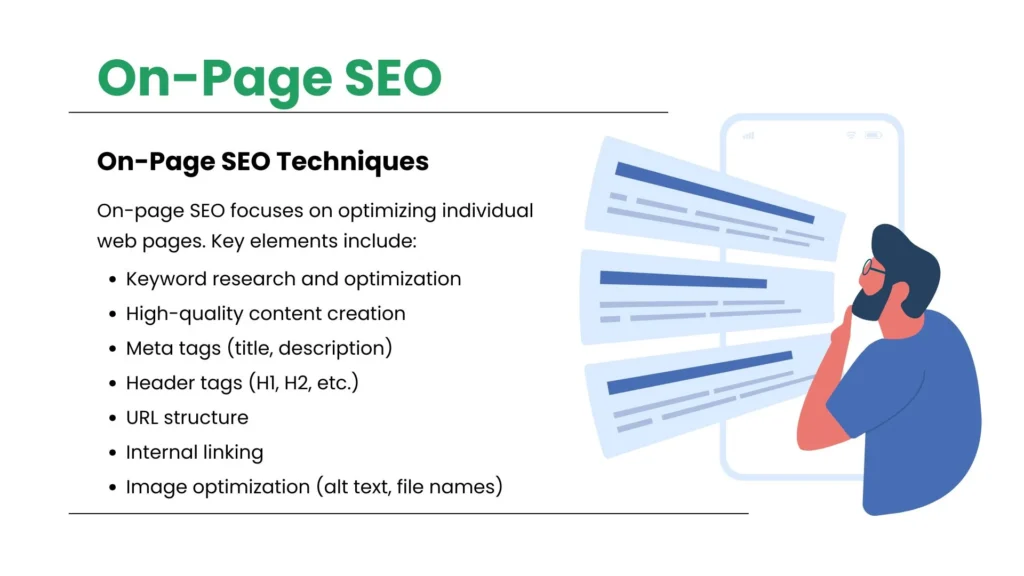
     On-Page SEO

    Improving content and HTML source code.

    It is all about making sure your website has useful, clear, and relevant content.

    Use clean URLs: Instead of “site.com/p123,” use “site.com/best-coffee-tips.”

    Use the right keywords: What are people searching for? Include those words naturally in your content.

    on page seo

    Off-Page SEO

    Building reputation through backlinks and external signals.

    It is about getting other websites to recognize you as an expert.

    Guest Posting: Writing for other blogs gets you more exposure and backlinks.

    Backlinks : When trusted websites link to you, Google sees you as credible.

    Social Media & PR : Sharing content on platforms like LinkedIn or Twitter helps people discover you.

    Write valuable content: Answer common questions and provide useful information.

    Make it easy to navigate: Link to other helpful pages on your site.

    off page seo

    Technical SEO

    Enhancing site structure, speed, and mobile usability.

    1. Mobile-Friendly Design : Most searches happen on phones, so your site should work well on mobile.
    2. Fast Loading Speed: Slow sites drive people away. Keep your site under 2 seconds to load.
    3. Secure Website (HTTPS): Google ranks secure websites higher.
    4. Proper Site Structure: Use sitemaps and good coding practices to help search engines index your pages.
    techincal seo

    Local SEO

    Optimizing your site for location-based searches—great for local shops or services.

    How SEO Works for Websites in Real Life

    Example: A bakery in Delhi improved its Google rankings by:

    • Posting blogs about birthday cake trends
    • Getting listed on Google Maps
    • Receiving customer reviews

    In three months, they saw a 60% increase in traffic and more orders online.

    Does SEO Really Work?

    Yes—if done consistently. SEO isn’t a quick fix. It’s a long-term strategy that brings lasting results.

    Benefits of SEO for Different Users

    For Bloggers

    • More readers
    • Higher ad revenue and affiliate sales

    For Small Businesses

    • Cost-effective promotion
    • Attracts local customers

    For Startups

    • Builds online visibility
    • Creates brand awareness from day one.

    Important SEO Statistics & Insights

    • 68% of online experiences begin with a search engine.
    • SEO leads have a 14.6% close rate, compared to 1.7% for traditional ads.
    • Google processes over 8.5 billion searches a day.

    Difference Between SEO and SEM

    SEO (Search Engine Optimization) helps you rank organically.

    SEM (Search Engine Marketing) involves paid ads.

    SEO = Free but long-term

    SEM = Paid but immediate

    Both have their place, but SEO is better for long-term trust and cost savings.

    How to Do SEO: A Beginner’s Roadmap

    Tools to Get Started:

    • Google Search Console
    • Yoast SEO Plugin (for WordPress)
    • Ahrefs or Moz for research

    Common Beginner Mistakes:

    • Stuffing too many keywords
    • Not optimizing images
    • Ignoring mobile users

    Actionable Tips

    • Start with 1 or 2 important pages.
    • Write useful, original content.
    • Use relevant keywords naturally.

    Conclusion — SEO is an Ongoing Journey, Not a One-Time Trick

    Learning SEO is like learning to ride a bike. At first, it may seem complicated, but once you get the hang of it, the benefits are endless. Whether you’re running a blog, a small business, or just curious, SEO can take your digital presence to the next level.

    Ready to Make SEO Work for You?

    Have questions or are stuck somewhere? Drop a comment below

    Want more helpful tips? Subscribe to our blog and share this post with someone who needs a beginner-friendly SEO guide.

  • Google My Business: A Growth Engine for Small Businesses

    Google My Business: A Growth Engine for Small Businesses

    Google My Business: A Local Powerhouse for Small Business Growth

    Introduction

    Ever wonder why the shop down the street always shows up on Google Maps, while yours doesn’t even get a glance? That’s the magic of Google My Business (GMB)—a free yet powerful tool that can drive customers to your doorstep. In this blog, you’ll learn how Google My Business helps small businesses grow, steps to improve Google My Business ranking, and how to optimize your Google My Business profile for local traffic. Let’s break it down in a way that’s easy to follow, even if you’re not tech-savvy.

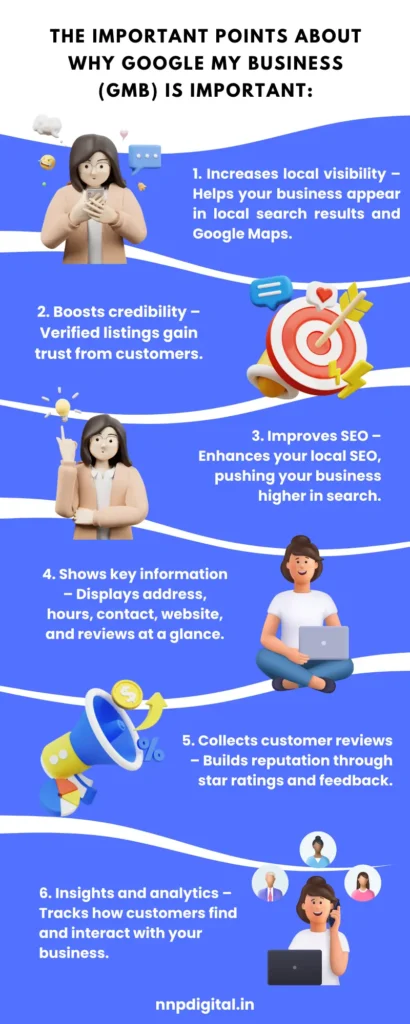
    What is Google My Business (GMB)?

    Google My Business is a free tool from Google that allows you to manage how your business appears across Google Search and Maps. It lets you display important details like your address, hours, services, photos, and even customer reviews.

    GMB in Simple Words

    Think of GMB as your digital storefront. Just like a shop sign outside your store brings people in, your GMB listing brings online users to your physical or digital doorstep.

    A Real-World Example

    Let’s say you own a small café in Lucknow. A customer searches for “best coffee near me.” If your GMB profile is optimized, your café appears in the top search results. That one action could mean a new loyal customer.

    Why Google My Business Matters for Local Business Owners?

    Statistics That Make a Case

    • 46% of all Google searches are looking for local information.
    • Businesses with complete GMB listings are 70% more likely to attract location visits.
    • Listings with photos get 35% more clicks.

    Real-World Benefits

    • Local business growth through GMB optimization
    • Google My Business insights for local marketing help you understand customer behavior.
    • Increase in foot traffic and website visits

    How to Use Google My Business?

    Steps to Improve Google My Business Ranking

    1. Create or Claim Your Business Listing

    Go to google.com/business and sign in with your Google account. Claim your business or create a new listing.

    2. Fill Out Your Profile Completely

    Make sure all details—name, address, phone number, business hours, and website—are accurate. Don’t forget to update business hours on Google My Business whenever needed.

    3. Choose the Right Category

    Select categories that best describe your business. Being specific increases your chances of showing up in targeted searches.

     4. Add High-Quality Photos

    Photos help build trust. Learn how to add photos to Google business listings to showcase your store, staff, and services.

    5. Collect and Respond to Reviews

    Never underestimate the importance of reviews on Google My Business. Positive reviews build credibility and boost rankings.

    6. Post Regular Updates

    Use the posts feature to share offers, events, or new products.

    Real Benefits of Google My Business for Different Users

    1. Small Businesses

    • More local visibility
    • Build trust through reviews and images.
    • Easy communication through Google Chat/Call features

    2. Startups

    • Cost-effective brand visibility
    • Credibility without needing a big budget

     3. Freelancers & Home-Based Services

    • Appear on Maps
    • Build a client base from local searches.

    Case Study: Google My Business for a Small Shop

    Meet Asha, a boutique owner in Jaipur. She added her shop to GMB, uploaded photos, regularly posted offers, and responded to every review. In just 3 months:

    • Footfall increased by 60%.
    • Her shop started appearing in “Top 3” map results.
    • Sales went up by 35%.

    That’s a real-life example of local business growth through GMB optimization.

    Advanced GMB Tips for Maximum Impact

    Use Google My Business Insights.

    Track:

    • How people find your business (search terms)
    • Where they come from (location)
    • What actions they take (calls, website clicks, direction requests)
    • Schedule Weekly Posts

    Keep your profile active by posting:

    • Weekly discounts
    • Behind-the-scenes shots
    • Customer stories or testimonials

    Important Google My Business Statistics

    • 93% of consumers use Google to find a local business.
    • 88% of searches for local businesses result in a call or visit within 24 hours.
    • Businesses with 4.5+ stars get 60% more conversions.

     Common Questions About Google My Business

    Q. Can I use GMB without a physical address?

    Yes. Choose “service area business” and hide your address.

    Q. How do I get more reviews?

    Ask politely.

    Share direct review links.

    Offer a small thank-you gift or discount (without violating Google’s policy).

    Conclusion: Your Next Step to Local Success

    Google My Business is not just another app—it’s a smart, strategic way to stand out in a crowded local market. From gaining reviews to showing up in maps, it’s a one-stop shop for online visibility.

    What’s stopping you from claiming your business today? If you’re already on GMB, try implementing one new strategy from this post this week. Got questions? Drop a comment below or share this post with a fellow business owner.

    important points about why google my business is important
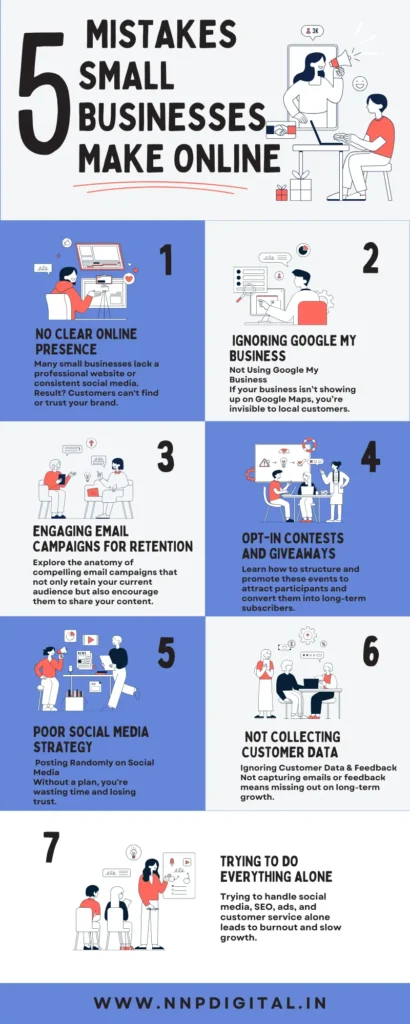
    mistakes in google my business
  • What is Digital Marketing, Why It Matters, and Its Future

    What is Digital Marketing, Why It Matters, and Its Future

    What is Digital Marketing and How It Works? A Beginner’s Guide for Startups & Small Businesses

    how digital marketing helps small businesses improve online sales

    Introduction

    Are you struggling to attract customers online? Or wondering why your competitors are always ahead? This beginner’s guide to digital marketing, explained in simple words, is made just for you.

    Whether you’re a small business owner or a startup founder, understanding how digital marketing helps small businesses can make or break your success. From SEO to email marketing, let’s dive into how you can harness the power of the internet to grow.

    What is Digital Marketing?

    digital marketing explained in simple words with SEO, email, and social media

    Digital Marketing Explained in Simple Words

    Digital marketing is promoting your products or services using digital channels like websites, search engines, social media, and email. Imagine setting up an online shop; instead of passively waiting for customers to visit, you actively invite them using various attention-grabbing strategies.

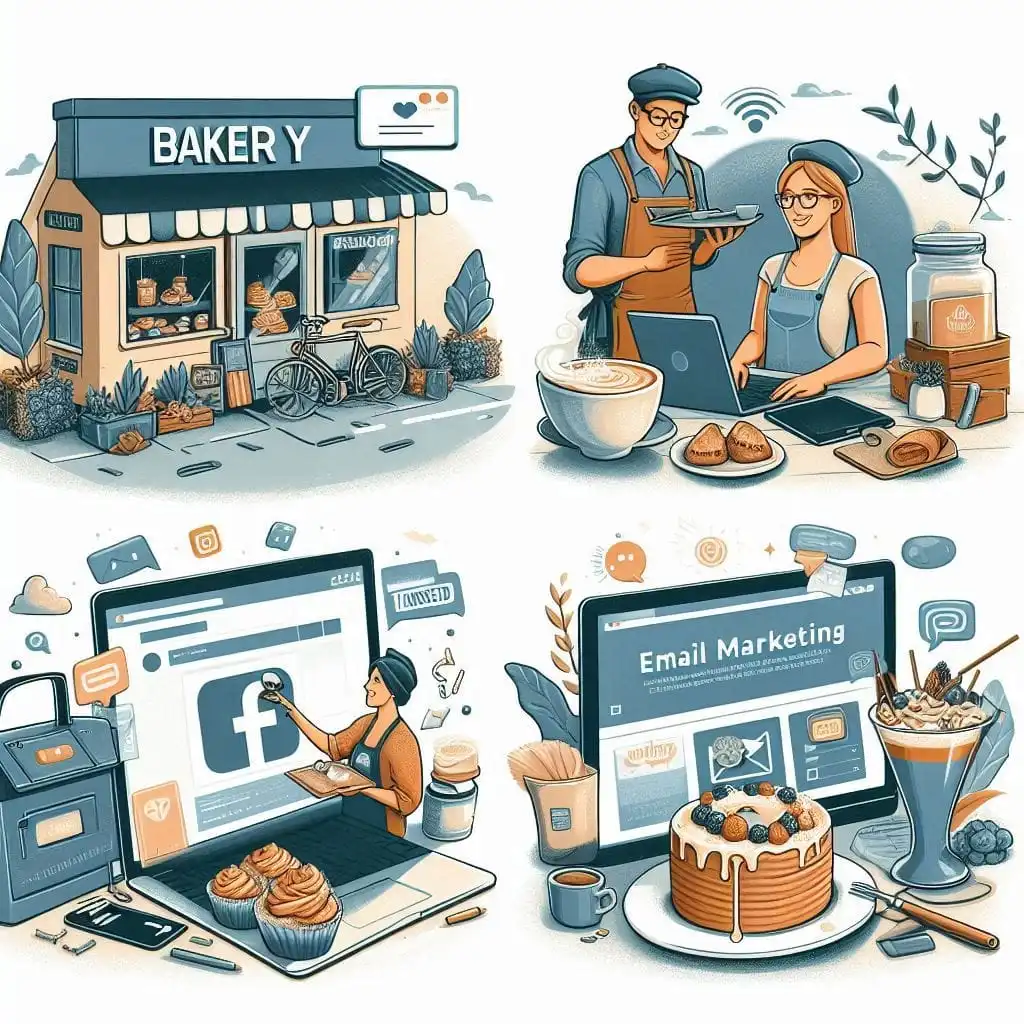
    Examples of Digital Marketing in Real Life

    examples of digital marketing in real life for small businesses
    • A bakery sharing daily cakes on Instagram to attract customers.
    • A freelancer using LinkedIn to land remote jobs.
    • An online course creator nurturing leads via email marketing.

    These are real examples of digital marketing in real life, where even a one-person business can reach thousands.

    Why is Digital Marketing Important for Startups and Small Businesses?

    why is digital marketing important for startups and entrepreneurs

    Key Benefits That Matter Most

    • Cost-effective: You don’t need a huge budget to get started.
    • Measurable: Know exactly what’s working through analytics.
    • Scalable: Start small and grow as your business expands.

    How Digital Marketing Helps Small Businesses Compete with Your Competitor

    Imagine a small café using Instagram stories to build a loyal customer base. With creative content and community engagement, they can build stronger relationships than big-name competitors.

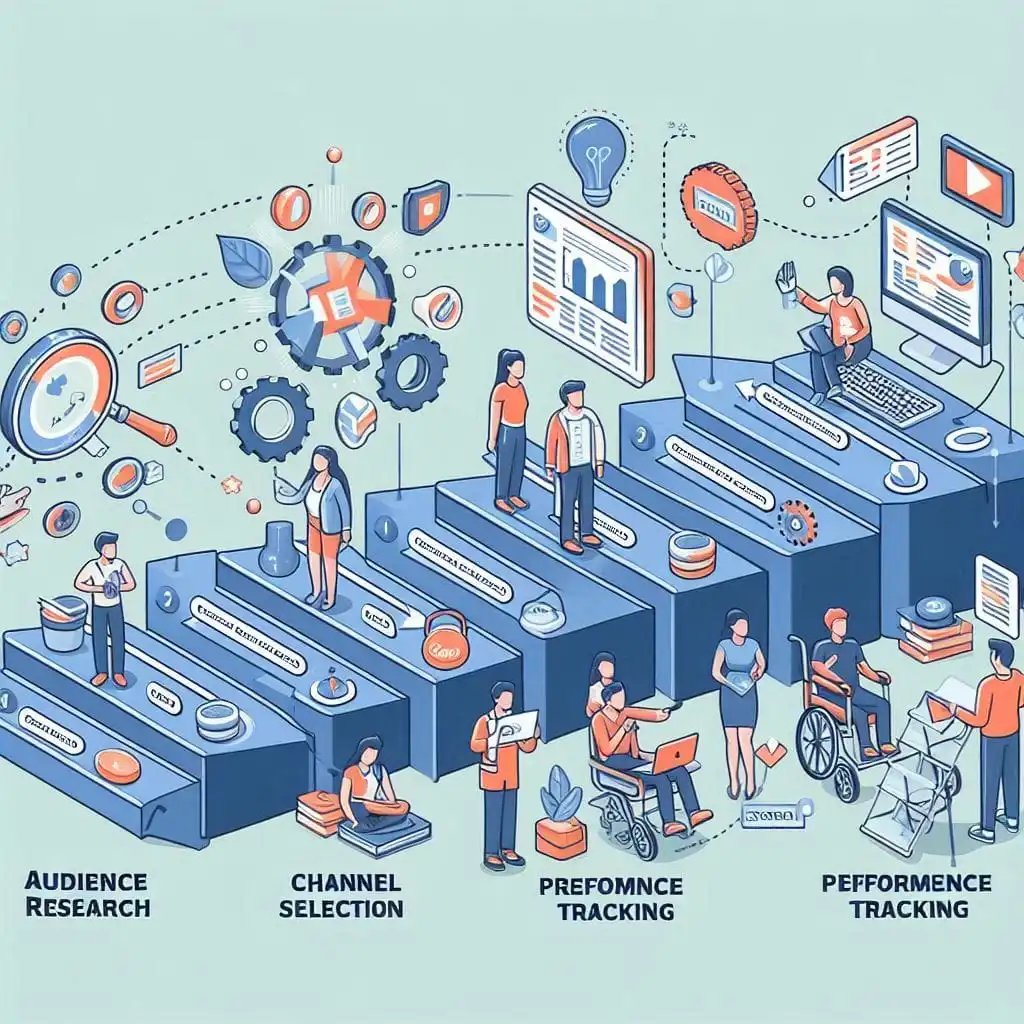
    Step-by-Step Process of Digital Marketing

    step by step process of digital marketing for beginners

    Step 1 – Understanding Your Audience

    Start with who your customers are. Create personas and define their pain points.

    Step 2 – Choose the Right Channels

    Depending on your audience, you might use

    • Search Engine Optimization (SEO)
    • Social media platforms
    • Email marketing
    • Paid Ads (PPC)

    Step 3 – Create Valuable Content

    Your content should educate, entertain, or solve a problem.

    Step 4 – Promote and Distribute

    This is where how social media is used in digital marketing really shines. Share posts, collaborate with influencers, and run paid ads.

    Step 5 – Measure and Optimize

    Track KPIs (Key Performance Indicators) and tweak what doesn’t work.

    How to Start Learning Digital Marketing from Scratch

    how to start learning digital marketing from scratch with online resources

    Free & Paid Learning Options for Beginners

    Free: YouTube tutorials, Google Digital Garage, HubSpot Academy

    Paid: Coursera, Udemy, Digital Marketing Institutes

    Create Your First Campaign

    Pick a product or cause you care about. Try creating:

    • A blog post
    • An Instagram campaign
    • An email newsletter

    This hands-on practice is the fastest way to learn.

    How SEO Works in Digital Marketing

    how SEO works in digital marketing for higher Google rankings

    SEO in Simple Words

    SEO stands for Search Engine Optimization. It’s the process of making your website show up higher in Google when people search for related topics.

    Basic On-Page and Off-Page Techniques

    On-page: Keywords, meta titles, internal linking

    Off-page: Backlinks, guest blogging, social sharing

    Real Example: Ranking a Local Bakery

    A local bakery optimized its website with keywords like “best chocolate cake in Delhi,” wrote blog posts, and listed itself on Google My Business. Within 3 months, it saw a 40% increase in website traffic.

    How Social Media is Used in Digital Marketing?

    how social media is used in digital marketing for engagement and reach

    Platforms & Strategies

    Instagram: Visual storytelling

    Facebook: Community building

    LinkedIn: B2B networking

    What Works (and What Doesn’t)?

    What works: Consistent posting, engaging with followers, and trending hashtags What doesn’t: Spamming, poor visuals, irregular activity

    How Email Marketing Works in Digital Marketing?

    how email marketing works in digital marketing with CTA and subject line

    The Power of the Inbox

    Email lets you connect directly with your audience. You can send:

    • Welcome emails
    • Newsletters
    • Promotional offers

    Must-Have Elements of a Good Campaign

    A catchy subject line

    Useful, concise content

    A clear Call to Action (CTA)

    Important Digital Marketing Statistics

    important statistics and insights in digital marketing performance

    Supporting Your Strategy with Data

    • SEO drives 1000%+ more traffic than organic social media (BrightEdge)
    • Email marketing delivers an ROI of 4200% (DMA)
    • Over 90% of startups use digital marketing to grow (Statista)

    Final Thoughts—Where to Go From Here?

    Start simple, stay consistent, and always keep learning. Digital marketing is not a one-size-fits-all approach but a flexible toolset that you can adapt to your business goals.

    Are you ready to grow your business online? Drop a comment below, share this blog with someone who needs it.